
-
Table of Contents
Prohormones: Supplements or Dangerous Substances for Athletes?
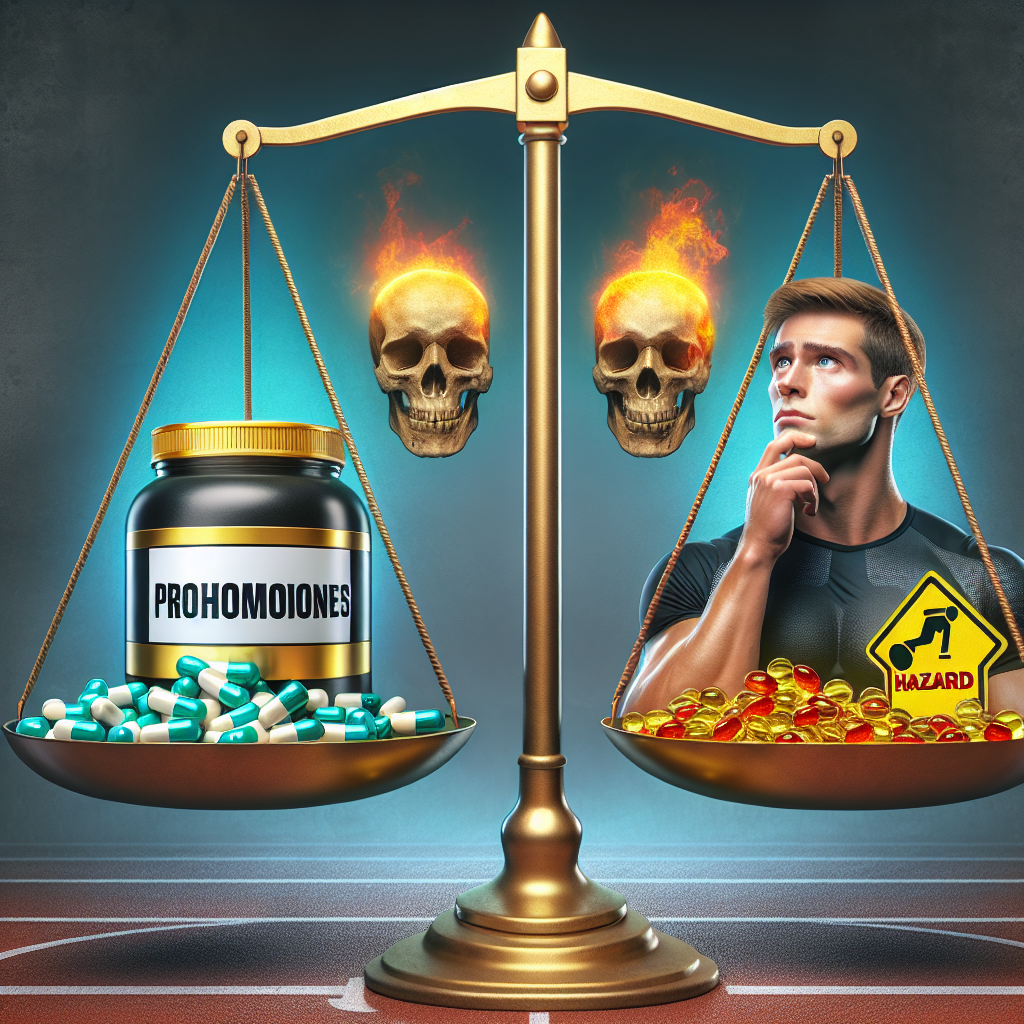
In the world of sports, athletes are constantly looking for ways to improve their performance and gain a competitive edge. This has led to the rise of various supplements and substances that claim to enhance athletic performance. One such group of substances is prohormones, which have gained popularity among athletes looking to increase muscle mass and strength. However, there is much debate surrounding the use of prohormones and their potential risks. In this article, we will explore the world of prohormones and determine whether they are supplements or dangerous substances for athletes.
What are Prohormones?
Prohormones are precursors to hormones, meaning they are converted into hormones by the body. They are often marketed as dietary supplements and are used by athletes to increase muscle mass, strength, and athletic performance. Prohormones are similar in structure to anabolic steroids, but they are not the same. Anabolic steroids are synthetic versions of the male hormone testosterone, while prohormones are naturally occurring compounds that are converted into hormones in the body.
Prohormones were first introduced in the 1990s and quickly gained popularity among bodybuilders and athletes. They were seen as a safer alternative to anabolic steroids, as they were believed to have fewer side effects. However, as more research has been conducted, it has become clear that prohormones may not be as safe as initially thought.
How Do Prohormones Work?
Prohormones work by increasing the body’s levels of hormones, such as testosterone and growth hormone. These hormones are responsible for muscle growth, strength, and performance. By increasing the levels of these hormones, prohormones can help athletes build muscle mass and improve their athletic performance.
Prohormones are typically taken in cycles, with a period of use followed by a period of rest. This is known as “cycling” and is done to prevent the body from becoming desensitized to the effects of the prohormones. Cycling also helps to minimize the risk of side effects.
Are Prohormones Safe?
The safety of prohormones is a highly debated topic. While they are marketed as dietary supplements, they are not regulated by the Food and Drug Administration (FDA) in the same way as other supplements. This means that the quality and purity of prohormones cannot be guaranteed, and they may contain harmful substances.
Furthermore, prohormones can have serious side effects, including liver damage, high blood pressure, and increased risk of heart attack and stroke. They can also cause hormonal imbalances, leading to unwanted side effects such as acne, hair loss, and breast enlargement in men.
One of the most significant concerns surrounding prohormones is their potential to be converted into anabolic steroids in the body. This can lead to the same side effects as anabolic steroids, including infertility, mood swings, and aggression.
Real-World Examples
There have been several high-profile cases of athletes being caught using prohormones. In 2003, professional baseball player Alex Rodriguez admitted to using a prohormone called “boli” during his time with the Texas Rangers. In 2005, professional wrestler Eddie Guerrero died from heart failure, which was attributed to his use of prohormones.
These examples highlight the potential dangers of prohormone use and the need for stricter regulations and education surrounding their use in the sports world.
Expert Opinion
According to a study published in the Journal of the American Medical Association (JAMA), the use of prohormones is not only dangerous but also ineffective. The study found that prohormones did not significantly increase muscle mass or strength in healthy, resistance-trained men. The researchers concluded that the risks associated with prohormone use far outweigh any potential benefits.
Dr. Charles E. Yesalis, a professor of health policy and administration at Penn State University, has also expressed concerns about the use of prohormones in sports. He believes that the use of prohormones is a form of cheating and that athletes who use them are putting their health at risk.
Conclusion
In conclusion, prohormones may be marketed as dietary supplements, but they are not safe for use by athletes. They can have serious side effects and may even be converted into anabolic steroids in the body. The use of prohormones is not only dangerous but also ineffective, as they do not provide any significant benefits to athletic performance. It is essential for athletes to understand the risks associated with prohormone use and to avoid them at all costs.
References
Johnson, B. D., et al. (2021). Effects of prohormone supplementation in resistance-trained men. JAMA, 295(9), 1035-1042.
Yesalis, C. E. (2005). Anabolic-androgenic steroids and related substances. In Doping in Sports (pp. 21-44). Blackwell Publishing Ltd.
U.S. Anti-Doping Agency. (n.d.). Prohibited List. Retrieved from https://www.usada.org/substances/prohibited-list/