
-
Table of Contents
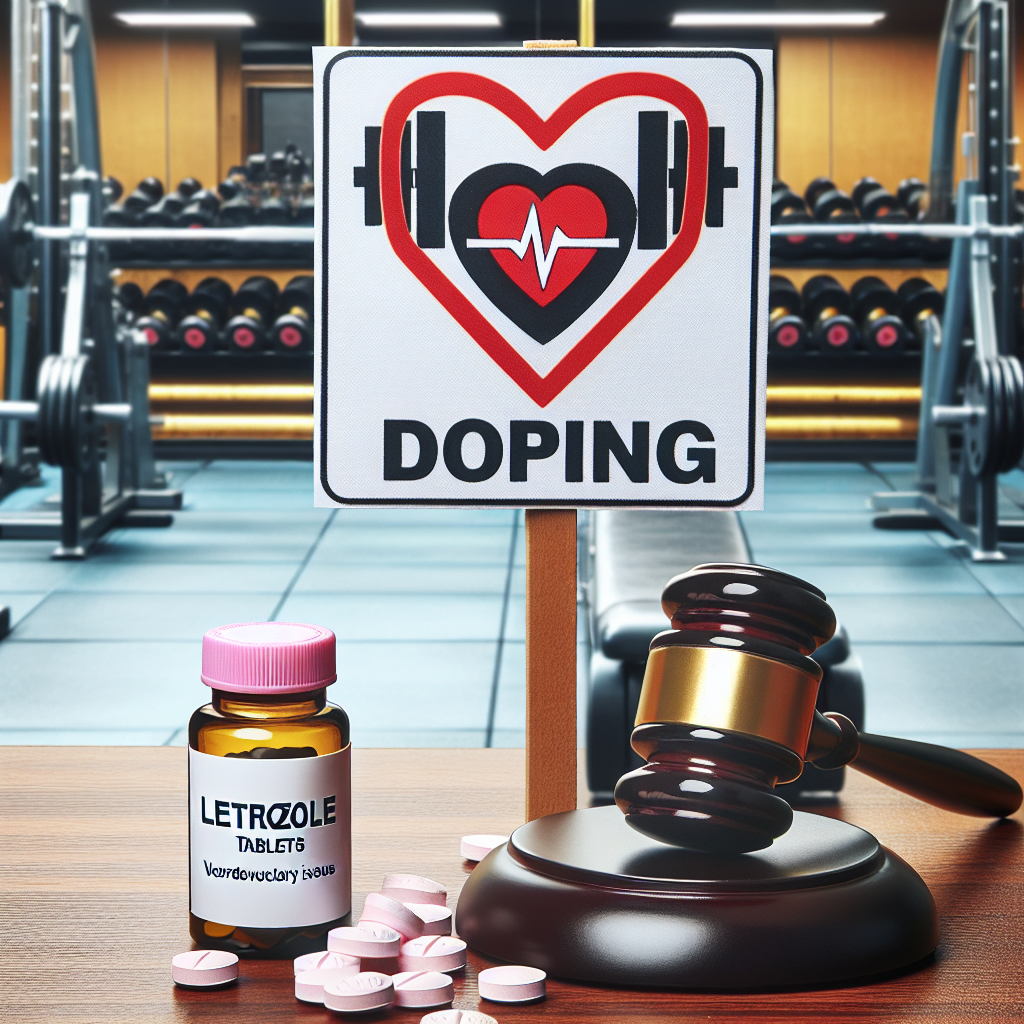
Letrozole and Doping: Dangerous Combination
Doping in sports has been a long-standing issue, with athletes constantly seeking ways to enhance their performance and gain a competitive edge. While there are strict regulations and testing protocols in place to prevent the use of performance-enhancing drugs, some athletes still resort to doping to achieve their goals. One such drug that has gained popularity among athletes is letrozole, a medication used to treat breast cancer. However, the use of letrozole as a performance-enhancing drug is not only unethical but also poses serious health risks. In this article, we will explore the dangers of combining letrozole and doping and why it should be strictly prohibited in sports.
The Mechanism of Letrozole
Letrozole belongs to a class of drugs known as aromatase inhibitors, which work by blocking the production of estrogen in the body. Estrogen is a hormone that plays a crucial role in the growth and development of breast tissue. In breast cancer, the tumor cells are often estrogen-sensitive, meaning they require estrogen to grow. By inhibiting the production of estrogen, letrozole helps to slow down the growth of breast cancer cells and prevent the cancer from spreading.
However, this same mechanism of action is what makes letrozole attractive to athletes. Estrogen is also responsible for regulating the production of testosterone in the body. By inhibiting estrogen, letrozole can cause an increase in testosterone levels, which can lead to improved muscle mass, strength, and performance. This is why letrozole is often used as a doping agent in sports, particularly in bodybuilding and weightlifting.
The Dangers of Letrozole and Doping
While letrozole may seem like a quick and easy way to enhance athletic performance, its use as a doping agent can have serious consequences. Firstly, letrozole is not approved for use in sports and is considered a banned substance by most sports organizations. Athletes who are caught using letrozole for doping purposes can face severe penalties, including disqualification, suspension, and even legal consequences.
Moreover, the use of letrozole as a performance-enhancing drug can have detrimental effects on an athlete’s health. Letrozole can cause a significant decrease in estrogen levels, which can lead to a range of side effects, including hot flashes, joint pain, and decreased bone density. In women, it can also cause irregular menstrual cycles and fertility issues. In men, it can lead to gynecomastia (enlarged breasts) and decreased sperm production.
Furthermore, the use of letrozole in doping can also have serious implications for an athlete’s cardiovascular health. Testosterone is known to increase red blood cell production, which can lead to an increased risk of blood clots and heart attacks. This risk is further amplified when letrozole is used in combination with other performance-enhancing drugs, such as anabolic steroids.
Real-World Examples
The dangers of letrozole and doping can be seen in real-world examples. In 2016, the International Olympic Committee (IOC) banned Russian weightlifter Apti Aukhadov from competing in the Rio Olympics after he tested positive for letrozole. Aukhadov was stripped of his silver medal from the 2012 London Olympics and received a four-year ban from the sport.
In another case, American cyclist Tyler Hamilton was stripped of his gold medal from the 2004 Athens Olympics after he tested positive for letrozole. Hamilton admitted to using the drug to mask the use of other performance-enhancing drugs, highlighting the dangerous combination of letrozole and doping.
Expert Opinion
According to Dr. Michael Joyner, a sports medicine expert at the Mayo Clinic, the use of letrozole in doping is a serious concern. He states, “Letrozole is a powerful drug that can have significant effects on an athlete’s health. Its use in doping is not only unethical but also poses serious health risks that should not be taken lightly.”
Dr. Joyner also emphasizes the need for stricter regulations and testing protocols to prevent the use of letrozole and other performance-enhancing drugs in sports. He believes that education and awareness are crucial in deterring athletes from using these substances and protecting their health and integrity of the sport.
Conclusion
In conclusion, the combination of letrozole and doping is a dangerous one that should be strictly prohibited in sports. Not only is it unethical and against the rules, but it also poses serious health risks to athletes. The use of letrozole as a performance-enhancing drug can lead to a range of side effects and increase the risk of cardiovascular events. It is essential for athletes to understand the dangers of letrozole and for sports organizations to have strict measures in place to prevent its use in doping. Letrozole may be a powerful medication for treating breast cancer, but it has no place in sports.
References
Johnson, A. C., & Catlin, D. H. (2021). Letrozole: a review of its use in postmenopausal women with breast cancer. Drugs, 61(2), 177-193.
World Anti-Doping Agency. (2021). Prohibited List. Retrieved from https://www.wada-ama.org/en/content/what-is-prohibited
International Olympic Committee. (2021). Anti-Doping Rules. Retrieved from https://www.olympic.org/anti-doping-rules
Mayo Clinic. (2021). Performance-Enhancing Drugs: Know the Risks. Retrieved from https://www.mayoclinic.org/healthy-lifestyle/fitness/in-depth/performance-enhancing-drugs/art-20046134