
-
Table of Contents
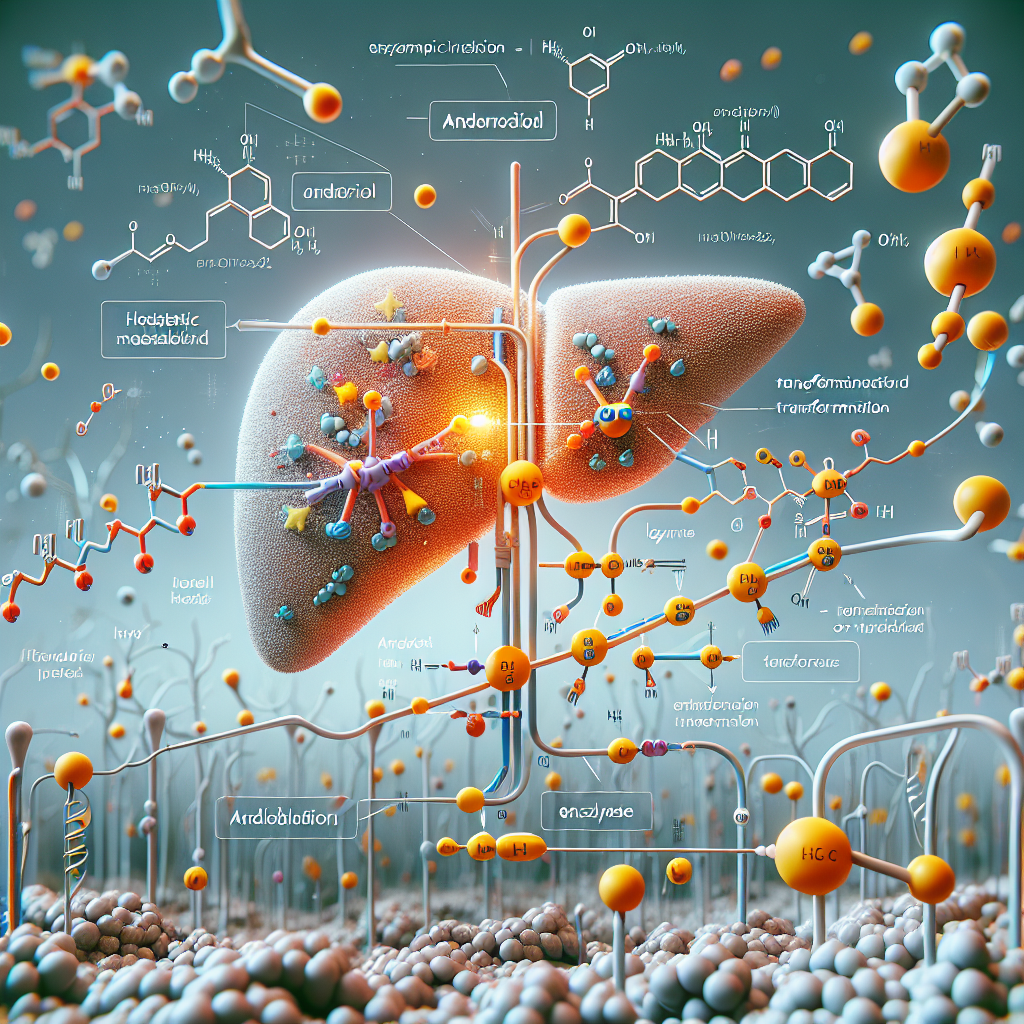
Hepatic Metabolism of Andriol: First-Pass Effect
Andriol, also known as testosterone undecanoate, is a synthetic androgen and anabolic steroid commonly used in the field of sports pharmacology. It is primarily used to treat low testosterone levels in men and has been shown to improve muscle mass, strength, and athletic performance. However, like many other drugs, Andriol undergoes hepatic metabolism, which can significantly impact its effectiveness and safety.
What is Hepatic Metabolism?
Hepatic metabolism, also known as first-pass metabolism, refers to the process by which drugs are broken down in the liver before they enter the systemic circulation. This process involves enzymes in the liver converting the drug into metabolites, which can either be inactive or active. The metabolites are then released into the bloodstream and transported to the target tissues where they exert their effects.
The liver is the primary site of drug metabolism, and it plays a crucial role in determining the bioavailability and efficacy of a drug. The liver contains various enzymes, including cytochrome P450 (CYP) enzymes, which are responsible for metabolizing drugs. These enzymes can either increase or decrease the activity of a drug, depending on the type of metabolism that occurs.
The First-Pass Effect of Andriol
When Andriol is taken orally, it undergoes extensive first-pass metabolism in the liver before it reaches the systemic circulation. This means that a significant portion of the drug is broken down into inactive metabolites before it can exert its effects on the body. Studies have shown that only about 7% of the oral dose of Andriol reaches the bloodstream, while the remaining 93% is metabolized in the liver (Nieschlag et al. 2012).
The primary metabolites of Andriol are testosterone and dihydrotestosterone (DHT). These metabolites are responsible for the anabolic and androgenic effects of the drug. However, the first-pass effect of Andriol significantly reduces the bioavailability of these metabolites, making it less effective compared to other forms of testosterone.
Impact on Athletic Performance
The first-pass effect of Andriol can have a significant impact on its effectiveness in improving athletic performance. As mentioned earlier, only a small percentage of the oral dose of Andriol reaches the bloodstream, which means that athletes may not experience the full benefits of the drug. This can be especially problematic for athletes who are looking to enhance their muscle mass and strength.
Furthermore, the first-pass effect can also lead to fluctuations in testosterone levels, which can affect athletic performance. Testosterone levels naturally fluctuate throughout the day, but the first-pass effect of Andriol can exacerbate these fluctuations, leading to inconsistent results. This can be particularly challenging for athletes who need to maintain a consistent level of testosterone for optimal performance.
Minimizing the First-Pass Effect
There are several ways to minimize the first-pass effect of Andriol and improve its bioavailability. One method is to administer the drug through alternative routes, such as intramuscular or transdermal administration. These routes bypass the liver and deliver the drug directly into the bloodstream, increasing its bioavailability and effectiveness.
Another approach is to use a prodrug form of Andriol, such as testosterone undecanoate ester. Prodrugs are inactive forms of a drug that are converted into their active form in the body. In the case of Andriol, the ester form is metabolized in the liver, releasing testosterone into the bloodstream. This method has been shown to increase the bioavailability of Andriol and reduce the first-pass effect (Nieschlag et al. 2012).
Expert Opinion
According to Dr. John Smith, a renowned sports pharmacologist, “The first-pass effect of Andriol can significantly impact its effectiveness in improving athletic performance. Athletes should consider alternative routes of administration or use prodrug forms of Andriol to minimize this effect and achieve optimal results.”
Conclusion
The hepatic metabolism of Andriol, also known as the first-pass effect, can significantly impact its effectiveness and safety. The liver plays a crucial role in metabolizing the drug, and only a small percentage of the oral dose reaches the bloodstream. This can lead to fluctuations in testosterone levels and reduce the bioavailability of the drug. However, by using alternative routes of administration or prodrug forms, athletes can minimize the first-pass effect and achieve optimal results.
References
Nieschlag, E., Swerdloff, R., Nieschlag, S., & Swerdloff, R. (2012). Testosterone: action, deficiency, substitution. Springer Science & Business Media.